
Pai Getaway by Scooter
The 762-curve mountain road to Pai. A classic Chiang Mai ride with canyon sunsets, hot springs, and an overnight rhythm that rewards patience.
Why choose this route
Pai is not just a destination. It’s a road ritual. Route 1095 asks for attention from the first climb to the last return hairpin, and that focus is exactly why riders remember it.
If you like technical mountain rhythm, changing valley light, and a finish line town with good food and a real night vibe, this route delivers.
Route Briefing
This is a 147km one-way mountain highway with 762 curves. Treat it as an overnight route whenever possible. The road is usually good, but rain changes grip fast and fatigue is the main risk on the return leg.
Route Snapshot
Fundamental data to help you size up the ride before you start the engine.
Route 1095 with sustained curves and elevation changes.
147km each way from Chiang Mai to Pai town.
Overnight is recommended for safety and enjoyment.
762 curves demand concentration and controlled pace.
Confident riders who enjoy mountain rhythm over speed.
Leave early for stable weather and lower traffic pressure.
Touring 300/350 preferred for two-up and long comfort.
Grip drops quickly after rain; return leg punishes tired riders.
The route is famous for constant bends and switchbacks.
Route Highlights
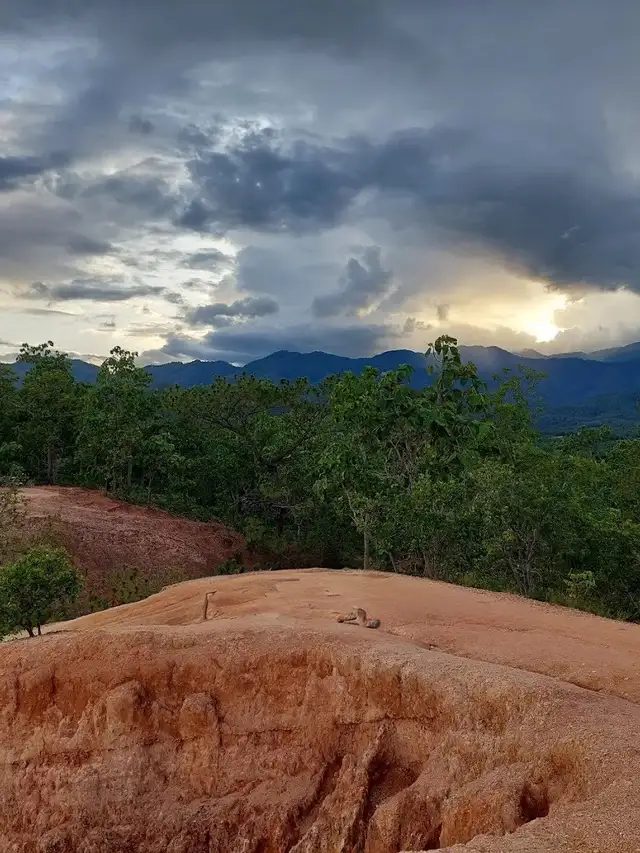
Sunset Ridge
Pai Canyon (Kong Lan)
The iconic Pai stop. Narrow ridge paths and layered valley light. Spectacular at sunset, but edges are exposed and unforgiving.
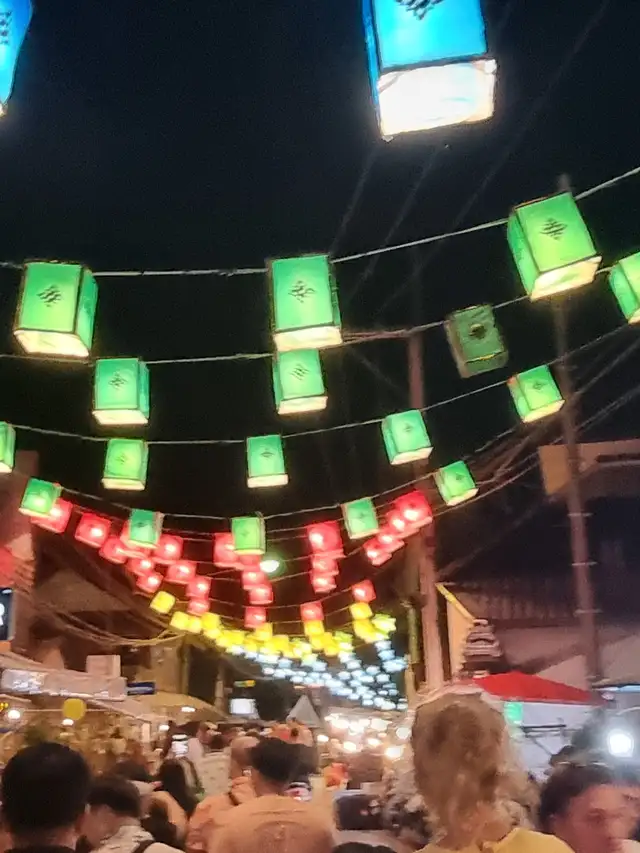
Evening Food Stop
Pai Walking Street
Pai's social center after dark. Good food density, walkable rhythm, and easy recovery after a long mountain day.
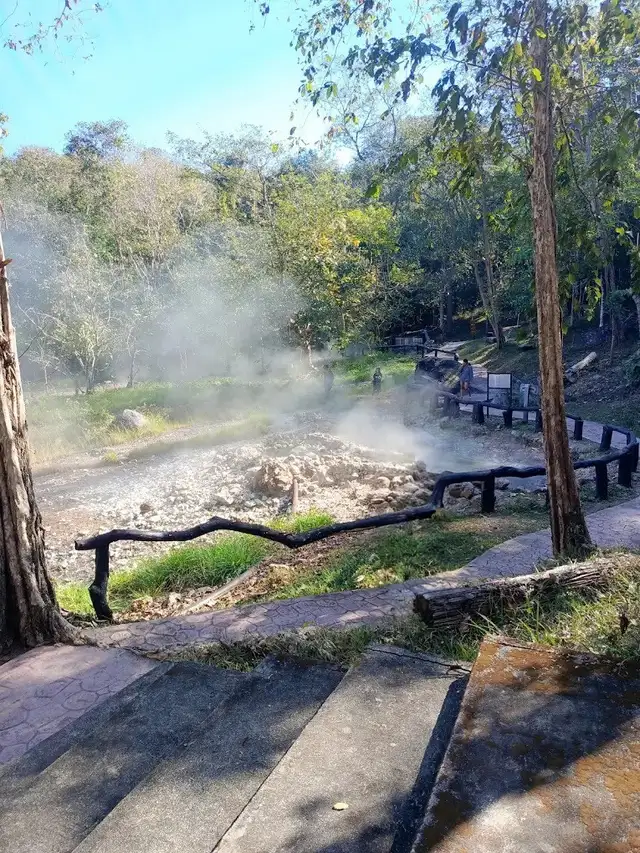
Recovery Stop
Tha Pai Hot Spring
Geothermal soak south of town. Good post-ride recovery stop. Fee structure changes, so confirm current pricing on arrival.
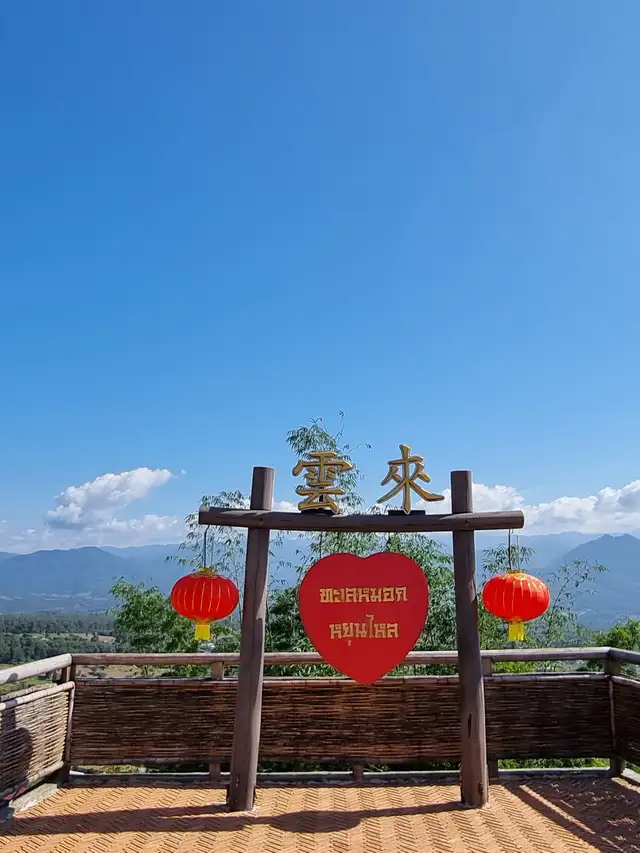
Morning Valley View
Yun Lai Viewpoint
North of Pai with broad valley views. Best in early morning when mist sits low over the basin.
What bike is suitable for Pai?
160cc should be your baseline. For Route 1095, ADV 160 is the better practical choice because it gives you stronger climb margin, better heat behavior, and a calmer ride when fatigue appears on the return.
- 125cc: Solo only and dry conditions. Works, but narrow margin on sustained climbs and repeated switchbacks.
- 160cc (recommended minimum): Best value class for Pai. ADV 160 is preferred over basic city scooters because it handles mountain load transitions better.
- Touring 300/350: Best for two-up, luggage, or riders doing Pai as part of a longer loop. Less fatigue, stronger overtakes, better highway stability.
If you are deciding between classes, read: ADV 160 vs ADV 350 comparison.
Before You Go
- Fuel early: Fill in Chiang Mai and top up before mountain sections. Don’t assume every remote stretch has fuel.
- Rain rule: If heavy rain just passed, delay departure. Mud, rockfall, and low-traction patches appear quickly.
- Brake discipline: Use engine braking + short firm brake inputs. Do not drag brakes across long descents.
- Checkpoints: Carry license and ID copy for routine military checks on this corridor.
- Overnight bias: Pai is better overnight. Same-day return turns this into a fatigue-heavy ride.
Road feel & decision points
The first hour sets the day
Ride the first mountain section at 70%. If you burn focus early, the return leg becomes sloppy. Pai rewards riders who keep pace conservative and smooth.
Overnight is not luxury — it’s strategy
Stopping in Pai lowers risk. You get canyon sunset and walking street without rushing, and your return judgment is cleaner after real sleep.
Where riders overestimate themselves
Not on the climb — on the way back. Fatigue plus repetitive curves creates mistakes late in the day. Keep your ego out of the return leg.
By Kai Mercer · Updated May 2026